
Canada / rhubarb field guide
Rhubarb picking: harvest stalks, not leaves.
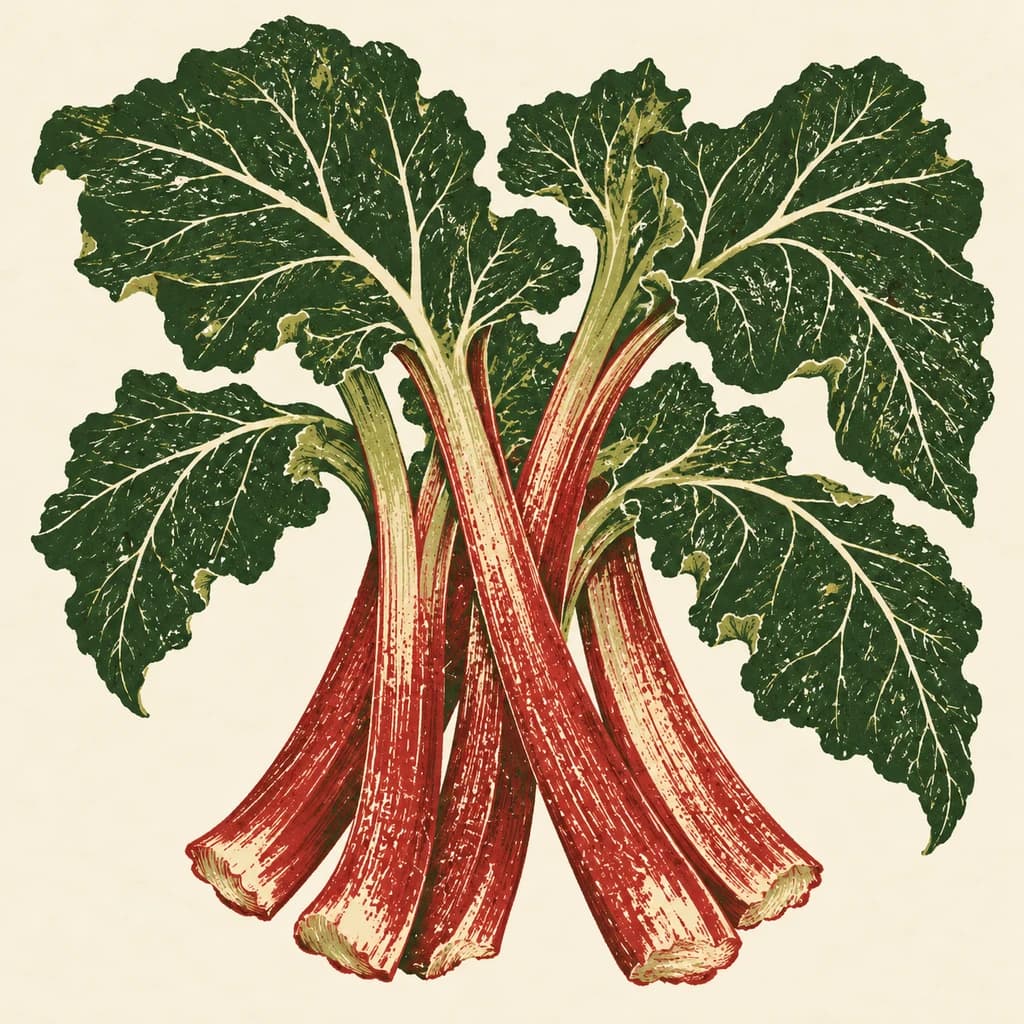
Rhubarb is a perennial vegetable whose edible part is the leaf stalk. A farm may sell stalks pre-picked or invite visitors to harvest them; ask which method is offered and how to cut or pull safely.
01 / Before you go
Check the farm’s details for your exact day.
A directory helps you find a starting point, but field openings can change with weather, crop maturity and the day’s harvest. Read the farm’s own website or recent update before leaving. If its information is unclear, contact the farm to confirm the picking date, open rows, admission or reservation requirements, prices, payment methods and whether visitors should bring containers or use farm-supplied ones.
Check the route, parking and entrance instructions as well as visitor rules for children, pets, food and accessibility. Wear footwear suitable for the field conditions the farm describes. Pick only where staff directs, and do not assume that a crop listed on a profile is available on the day you plan to visit.
- Is visitor harvesting offered, and how should stalks be removed?
- Does the farm remove leaves or should visitors do it at home?
- What quantity and container are appropriate for the visit?
02 / In the field
How to pick rhubarb.
Follow the grower’s directions and select only stalks from plants opened for harvest. Avoid damaging the crown or removing more than the farm permits. Cut or pull only with the method staff demonstrates.
What ready-to-pick looks like
Stalk colour varies by variety and is not a reliable measure of flavour by itself. Ask about the crop’s preferred stalk size and whether the farm has a limit per visitor.
03 / Bring it home
Protect what you picked on the trip back.
Keep stalks cool and remove leaves before storage if the farm has not already done so. Rhubarb leaves should not be eaten. Refrigerate the stalks and use them while crisp, or prepare and freeze them for later.
Make a plan for your harvest
Rhubarb is usually cooked in sauces, pies, crisps and preserves. Use the stalks only and discard the leaves; university extension sources warn that the leaves contain toxic compounds. Follow a tested recipe for preserving.
04 / Common questions
Rhubarb: quick answers.
Can rhubarb leaves be cooked and eaten?
No. Eat only the stalks and discard the leaves; they contain toxic compounds.
Does a red stalk mean the rhubarb is sweeter?
Not necessarily. Colour is strongly influenced by variety. Ask the grower about its crop.
Further reading
Sources and crop-specific advice
These agricultural and university resources informed the crop notes above. Farm instructions take precedence for its own field.
Find your next picking trip
Explore farms by region.
Keep planning