
Canada / haskaps and honeyberries field guide
Haskap picking: taste before you fill the pail.
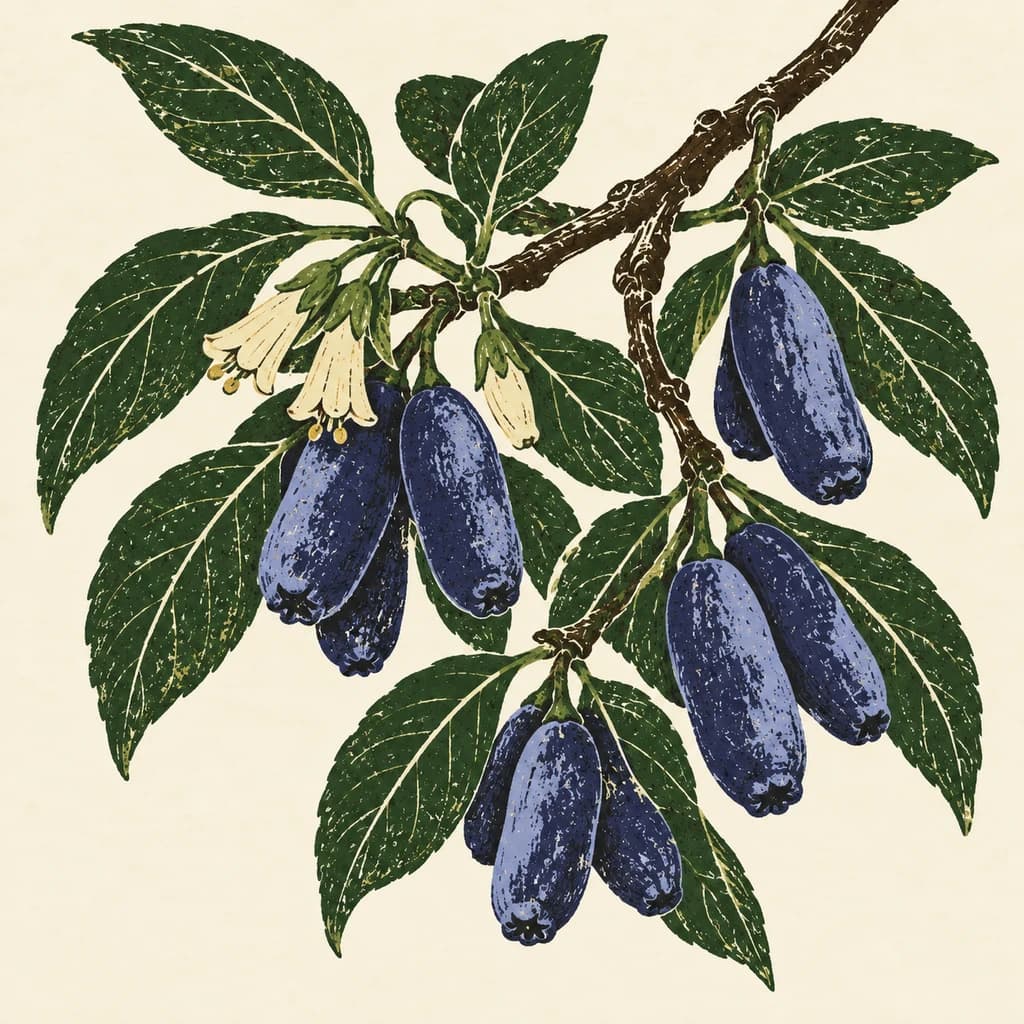
Haskaps—also called honeyberries—are an early-season berry grown in several Canadian regions. Their blue skin can be ahead of the flavour inside, making the grower’s timing advice especially useful.
01 / Before you go
Check the farm’s details for your exact day.
A directory helps you find a starting point, but field openings can change with weather, crop maturity and the day’s harvest. Read the farm’s own website or recent update before leaving. If its information is unclear, contact the farm to confirm the picking date, open rows, admission or reservation requirements, prices, payment methods and whether visitors should bring containers or use farm-supplied ones.
Check the route, parking and entrance instructions as well as visitor rules for children, pets, food and accessibility. Wear footwear suitable for the field conditions the farm describes. Pick only where staff directs, and do not assume that a crop listed on a profile is available on the day you plan to visit.
- Are the berries fully ripe yet, not just blue on the outside?
- Does the farm offer hand-picking, pre-picked fruit or both?
- What containers and cooling arrangements are available?
02 / In the field
How to pick haskaps and honeyberries.
Look under the leaves and lift branches gently; berries can hide in the foliage. Pick only the farm’s designated bushes. University of Saskatchewan guidance notes that fruit may turn deep blue several days before it is fully ripe, so do not judge by colour alone.
What ready-to-pick looks like
Where the farm permits tasting, check whether the inside is fully coloured and the flavour is pleasant rather than grassy. Some cultivars ripen together while others mature gradually. Ask which bushes are ready and whether the farm uses hand-picking or a collection method.
03 / Bring it home
Protect what you picked on the trip back.
Pick during the cooler part of the day if the farm’s hours allow, keep fruit shaded and refrigerate it promptly. Haskaps are suitable for fresh eating or freezing; use a shallow container and avoid crushing the harvest.
Make a plan for your harvest
Their sweet-tart flavour works in muffins, sauces, smoothies, jam and frozen snacks. Sort the berries at home and freeze them dry in a single layer if you want to use small portions later.
04 / Common questions
Haskaps and honeyberries: quick answers.
Why are blue haskaps still sour or grassy?
The outside can colour before the fruit is ripe inside. Taste a few only if the farm allows it and ask staff about the right harvest stage.
How long will a fresh haskap pick keep?
Refrigerate promptly and follow the farm’s advice. USask recommends using or preserving fresh haskaps within a few days.
Further reading
Sources and crop-specific advice
These agricultural and university resources informed the crop notes above. Farm instructions take precedence for its own field.
Find your next picking trip
Explore farms by region.
Keep planning